What is Branding? The important basics
What is a brand? Most would say it's the logo, or the look of a company. If only it was that simple.

What is a brand? Most would say it's the logo, or the look of a company. If only it was that
simple. A brand is more than a company's visual representation, such as the logo, colors and
typography. In short, a brand is a representation of a company's values through personality
and visual elements. At the core of a brand is a company's values. The company's values
affect the company's personality, which is then communicated with elements such as the logo,
typography, tagline, colors, shapes, textures, company culture, internal communication, and
marketing practices.
In a lot of ways you can relate a company's brand to your personality. Your values affect
your behavior and actions that make up your personality. Your
personality is reflected in
the way you dress, and the way you visually represent yourself.

Just like Mike, a well branded company should be easy to understand. When a company closely
follows a well defined brand it helps their customers understand and build relationships
with the brand - just like Mike and his friends. Unfortunately, building a company brand is
much more complex and delicate than being yourself. A company is a collection of many people
with individual personalities. And these people are representing the brand throughout the
many touchpoints a company may have with their customers.
To build a strong company brand, everyone involved needs to understand the brand and
participate in representing the brand. Because of this, not only is a brand an external
communication of a company's values, but also an internal communication of these same
values.
The benefits of building a strong brand for your company
Having a strong brand is so valuable, that it directly adds to a company's valuation,
through the intangible asset known as Brand Equity. For example, in 2019 the brand equity of
Coca-Cola was estimated to be 81
billion,
representing ~40% of the company's market value.
However, what we are concerned about in this post, is the ingredients that create brand
equity; brand loyalty, brand awareness and brand associations.
Here’s a few ways that positive branding directly creates value for any business:
Brand Loyalty
Reduced long term marketing costs: Generally, it’s cheaper to
keep a customer, than creating
a new one.
Market leverage:For example, if brand loyalists frequently request your product in store, this creates negotiation leverage with retailers. This could lead to reduced costs of shelf space.
Free brand ambassadors: With solid branding and a great product it's possible to build core brand loyalists. These loyalists will live and breath the brand, and push the brand forward. This is how many clothing brands rose to fame and fortune.
Market leverage:For example, if brand loyalists frequently request your product in store, this creates negotiation leverage with retailers. This could lead to reduced costs of shelf space.
Free brand ambassadors: With solid branding and a great product it's possible to build core brand loyalists. These loyalists will live and breath the brand, and push the brand forward. This is how many clothing brands rose to fame and fortune.
Brand Awareness
Lowered acquisition costs of a new product line: When a customer believes and trusts a
brand, they are more likely to associate those same feelings with all products under that
brand. This eases customers into making new purchasing decisions. This lowers the financial
cost per new acquisition.
Take Amazon for example. Amazon has positioned their brand to be customer centric, offering
their famous A-to-Z guarantee. This guarantee has been a pillar of their brand strategy
since the beginning. Building trust as an association to the Amazon brand is why customers
can comfortably purchase virtually any product through their platform.
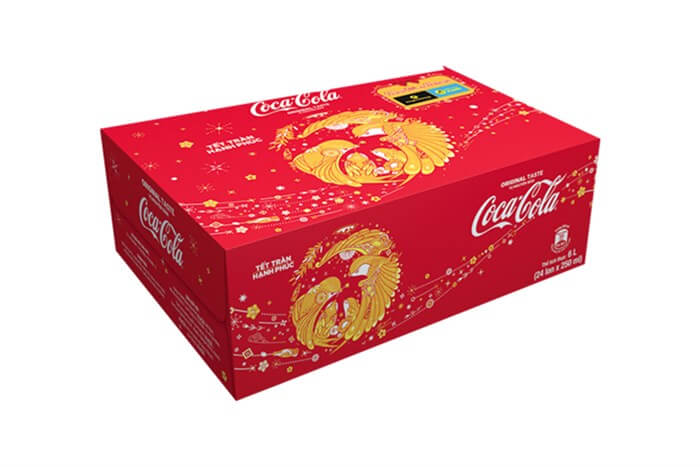
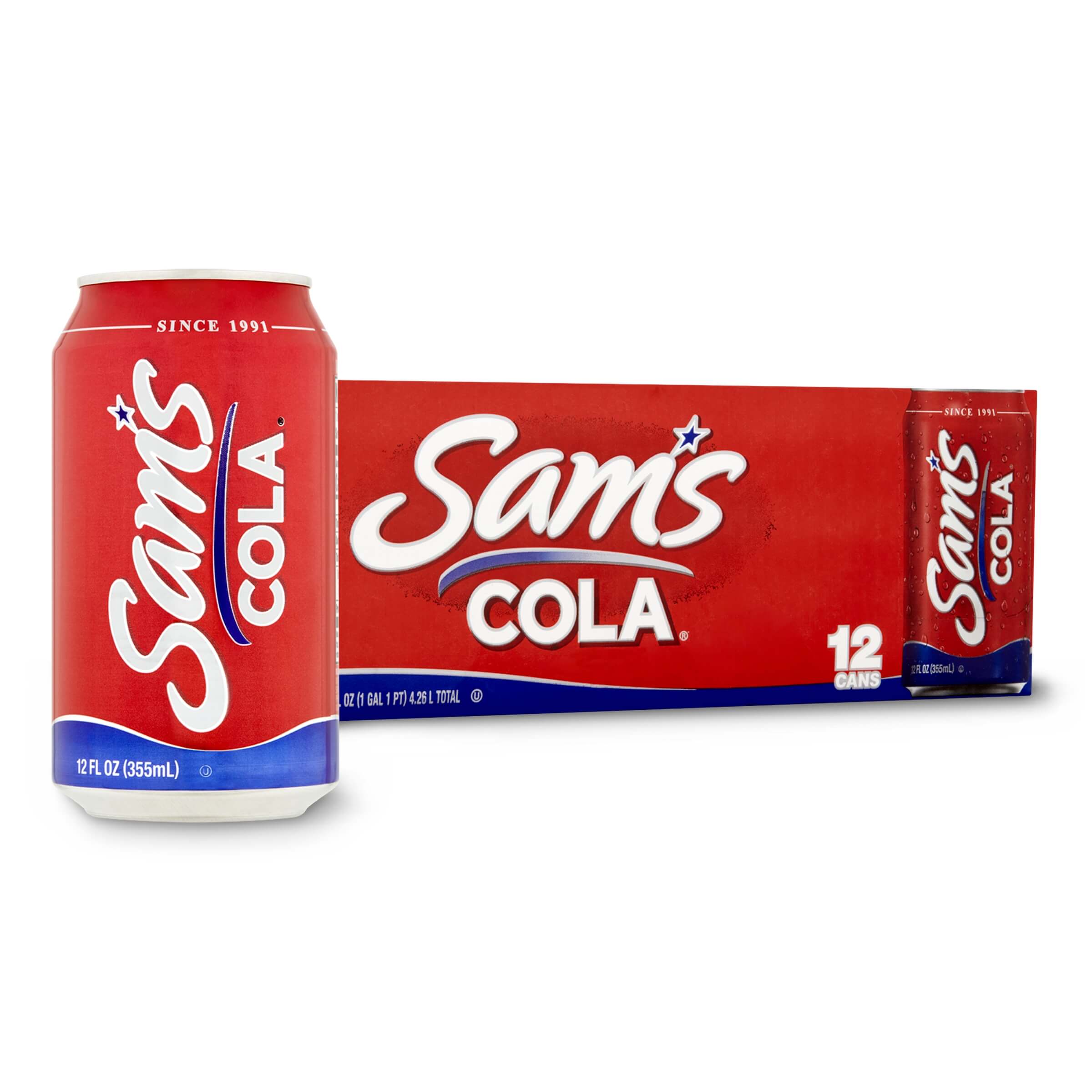
Differentiation in a saturated market:
branding is a good way to differentiate yourself amongst the crowd in a saturated market.
For example, during a branding strategy workshop with one of our previous clients we
discovered that all competing products and companies used very similar names, and the same
packaging layouts and red color schemes. Through research we found that customers have no
expectation for that packaging design; companies were copying each other because they saw
the design work for the market leader. We strategically rebranded and designed the
packaging, and took advantage of the opportunity to stand out.
Build credibility for small companies: Ever find an online store with a product you wanted to buy, but something felt off? Questioned the authenticity of an online store? Branding helps build credibility and authority and put new customers at ease.
Increase perceived quality: Similar to above, having a well developed brand helps potential customers trust and believe in the quality of your service or products. By using the right branding, you can increase the perceived quality of a product. This in turn, allows you to increase prices.
Build credibility for small companies: Ever find an online store with a product you wanted to buy, but something felt off? Questioned the authenticity of an online store? Branding helps build credibility and authority and put new customers at ease.
Increase perceived quality: Similar to above, having a well developed brand helps potential customers trust and believe in the quality of your service or products. By using the right branding, you can increase the perceived quality of a product. This in turn, allows you to increase prices.
As you can see, there are a ton of benefits to having a strategically developed and cohesive
brand. Any company can benefit from a solid brand strategy, whether it’s a billion dollar
corporation, or a small mom and pop. However, building a brand is not a simple task. Along
with developing a well thought out brand positioning strategy, a company needs to
communicate the brand internally and externally. Additionally, it’s important to
consistently invest into the brand, and slowly change the brand to stay with the times.